Stadiums / 2026-06-10
Mexico City Fan Travel Guide 2026
Mexico City Fan Travel Guide 2026 with team context, stadium details, fixture analysis, fan travel notes, FAQs, and World Cup 2026 internal links.
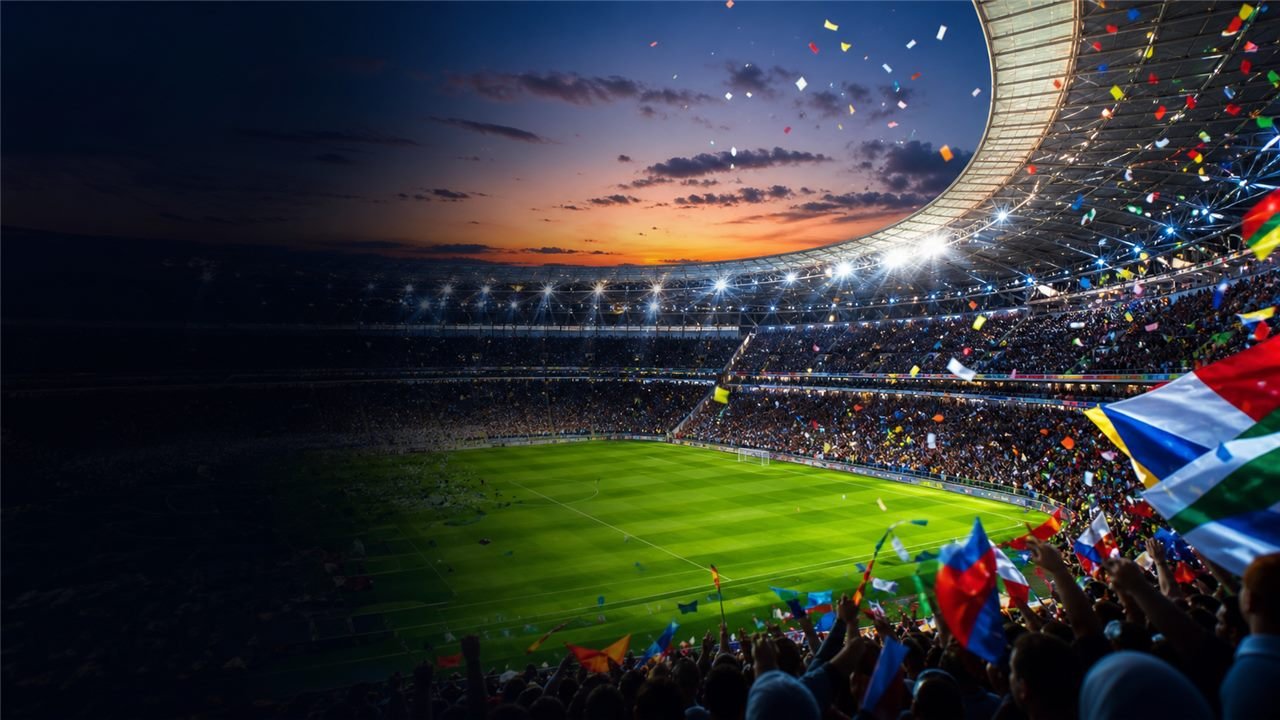
A good World Cup article should help the reader make sense of the tournament before the noise arrives. Mexico City Fan Travel Guide 2026 does that by turning what fans should compare before choosing tickets, hotels, routes, and matchday timing into a practical guide with team, venue, fixture, and fan-planning context.
Quick facts
| Article format | Fan Travel Guide |
|---|---|
| Focus team | United States |
| Featured match | Argentina vs United States |
| Featured stadium | Estadio Azteca |
| Host city | Mexico City, Mexico |
Key takeaways
- United States is the main team lens for this fan travel guide.
- Estadio Azteca gives the story a host-city and matchday planning angle.
- Argentina vs United States is the fixture link that turns the article into a practical reading path.
- The page avoids live claims and focuses on evergreen planning, context, and comparisons.
- Internal links connect readers to teams, matches, stadiums, and related news.
Why This Story Matters
One detail often gets missed: a World Cup storyline changes once travel, rest, and crowd energy are added to the football itself. Estadio Azteca is a useful example because its city setting, capacity, and matchday rhythm can influence how early fans arrive and how they remember the fixture afterward. That is why this guide keeps venue, team, and fixture links close together instead of treating them as separate pages. The result is a more useful reading path for someone comparing tickets, routes, and tournament priorities.
For fans, the practical side matters just as much as the tactical side. A strong article should help someone compare routes, understand the venue, and decide which related page to open next. That is the purpose of the internal links around this guide. They turn Mexico City Fan Travel Guide 2026 into a hub rather than a dead-end article. The result is a page that can work for search visitors, returning readers, and supporters planning a real matchday.
The practical detail
One detail often gets missed: a World Cup storyline changes once travel, rest, and crowd energy are added to the football itself. Estadio Azteca is a useful example because its city setting, capacity, and matchday rhythm can influence how early fans arrive and how they remember the fixture afterward. That is why this guide keeps venue, team, and fixture links close together instead of treating them as separate pages. The result is a more useful reading path for someone comparing tickets, routes, and tournament priorities.
How the page links help
For fans, the practical side matters just as much as the tactical side. A strong article should help someone compare routes, understand the venue, and decide which related page to open next. That is the purpose of the internal links around this guide. They turn Mexico City Fan Travel Guide 2026 into a hub rather than a dead-end article. The result is a page that can work for search visitors, returning readers, and supporters planning a real matchday.
Team Context
From a football perspective, the question is how much control a team can keep when the occasion starts to feel bigger than the original plan. United States will be judged through that lens by many readers, especially if the schedule creates quick turnarounds or a demanding travel path. A useful guide does not need to predict a score; it needs to show what to watch and where to find deeper context. That approach keeps the article evergreen while still giving the reader specific next steps.
Team Context starts with the connection between what fans should compare before choosing tickets, hotels, routes, and matchday timing and the way fans actually follow a tournament. For United States, that connection feels practical rather than theoretical, because the team profile can change how readers judge pressure, rotation, and momentum. The useful comparison is not only between two teams; it is also between the match page, the stadium guide, and the wider travel plan, because World Cup 2026 stretches the fan experience across long distances. Argentina vs United States gives the section a concrete anchor and gives readers a reason to move from analysis into the fixture page.
The football question
From a football perspective, the question is how much control a team can keep when the occasion starts to feel bigger than the original plan. United States will be judged through that lens by many readers, especially if the schedule creates quick turnarounds or a demanding travel path. A useful guide does not need to predict a score; it needs to show what to watch and where to find deeper context. That approach keeps the article evergreen while still giving the reader specific next steps.
The supporter question
Team Context starts with the connection between what fans should compare before choosing tickets, hotels, routes, and matchday timing and the way fans actually follow a tournament. For United States, that connection feels practical rather than theoretical, because the team profile can change how readers judge pressure, rotation, and momentum. The useful comparison is not only between two teams; it is also between the match page, the stadium guide, and the wider travel plan, because World Cup 2026 stretches the fan experience across long distances. Argentina vs United States gives the section a concrete anchor and gives readers a reason to move from analysis into the fixture page.
Fixture and Schedule Impact
For fans, the practical side matters just as much as the tactical side. A strong article should help someone compare routes, understand the venue, and decide which related page to open next. That is the purpose of the internal links around this guide. They turn Mexico City Fan Travel Guide 2026 into a hub rather than a dead-end article. The result is a page that can work for search visitors, returning readers, and supporters planning a real matchday.
One detail often gets missed: a World Cup storyline changes once travel, rest, and crowd energy are added to the football itself. Estadio Azteca is a useful example because its city setting, capacity, and matchday rhythm can influence how early fans arrive and how they remember the fixture afterward. That is why this guide keeps venue, team, and fixture links close together instead of treating them as separate pages. The result is a more useful reading path for someone comparing tickets, routes, and tournament priorities.
Short-term view
For fans, the practical side matters just as much as the tactical side. A strong article should help someone compare routes, understand the venue, and decide which related page to open next. That is the purpose of the internal links around this guide. They turn Mexico City Fan Travel Guide 2026 into a hub rather than a dead-end article. The result is a page that can work for search visitors, returning readers, and supporters planning a real matchday.
Longer tournament view
One detail often gets missed: a World Cup storyline changes once travel, rest, and crowd energy are added to the football itself. Estadio Azteca is a useful example because its city setting, capacity, and matchday rhythm can influence how early fans arrive and how they remember the fixture afterward. That is why this guide keeps venue, team, and fixture links close together instead of treating them as separate pages. The result is a more useful reading path for someone comparing tickets, routes, and tournament priorities.
Stadium and Host-City Factors
Stadium and Host-City Factors starts with the connection between what fans should compare before choosing tickets, hotels, routes, and matchday timing and the way fans actually follow a tournament. For United States, that connection feels practical rather than theoretical, because the team profile can change how readers judge pressure, rotation, and momentum. The useful comparison is not only between two teams; it is also between the match page, the stadium guide, and the wider travel plan, because World Cup 2026 stretches the fan experience across long distances. Argentina vs United States gives the section a concrete anchor and gives readers a reason to move from analysis into the fixture page.
From a football perspective, the question is how much control a team can keep when the occasion starts to feel bigger than the original plan. United States will be judged through that lens by many readers, especially if the schedule creates quick turnarounds or a demanding travel path. A useful guide does not need to predict a score; it needs to show what to watch and where to find deeper context. That approach keeps the article evergreen while still giving the reader specific next steps.
What to compare first
Stadium and Host-City Factors starts with the connection between what fans should compare before choosing tickets, hotels, routes, and matchday timing and the way fans actually follow a tournament. For United States, that connection feels practical rather than theoretical, because the team profile can change how readers judge pressure, rotation, and momentum. The useful comparison is not only between two teams; it is also between the match page, the stadium guide, and the wider travel plan, because World Cup 2026 stretches the fan experience across long distances. Argentina vs United States gives the section a concrete anchor and gives readers a reason to move from analysis into the fixture page.
Where fans should slow down
From a football perspective, the question is how much control a team can keep when the occasion starts to feel bigger than the original plan. United States will be judged through that lens by many readers, especially if the schedule creates quick turnarounds or a demanding travel path. A useful guide does not need to predict a score; it needs to show what to watch and where to find deeper context. That approach keeps the article evergreen while still giving the reader specific next steps.
Fan Planning Notes
One detail often gets missed: a World Cup storyline changes once travel, rest, and crowd energy are added to the football itself. Estadio Azteca is a useful example because its city setting, capacity, and matchday rhythm can influence how early fans arrive and how they remember the fixture afterward. That is why this guide keeps venue, team, and fixture links close together instead of treating them as separate pages. The result is a more useful reading path for someone comparing tickets, routes, and tournament priorities.
For fans, the practical side matters just as much as the tactical side. A strong article should help someone compare routes, understand the venue, and decide which related page to open next. That is the purpose of the internal links around this guide. They turn Mexico City Fan Travel Guide 2026 into a hub rather than a dead-end article. The result is a page that can work for search visitors, returning readers, and supporters planning a real matchday.
The practical detail
One detail often gets missed: a World Cup storyline changes once travel, rest, and crowd energy are added to the football itself. Estadio Azteca is a useful example because its city setting, capacity, and matchday rhythm can influence how early fans arrive and how they remember the fixture afterward. That is why this guide keeps venue, team, and fixture links close together instead of treating them as separate pages. The result is a more useful reading path for someone comparing tickets, routes, and tournament priorities.
How the page links help
For fans, the practical side matters just as much as the tactical side. A strong article should help someone compare routes, understand the venue, and decide which related page to open next. That is the purpose of the internal links around this guide. They turn Mexico City Fan Travel Guide 2026 into a hub rather than a dead-end article. The result is a page that can work for search visitors, returning readers, and supporters planning a real matchday.
Prediction and Watch Points
From a football perspective, the question is how much control a team can keep when the occasion starts to feel bigger than the original plan. United States will be judged through that lens by many readers, especially if the schedule creates quick turnarounds or a demanding travel path. A useful guide does not need to predict a score; it needs to show what to watch and where to find deeper context. That approach keeps the article evergreen while still giving the reader specific next steps.
Prediction and Watch Points starts with the connection between what fans should compare before choosing tickets, hotels, routes, and matchday timing and the way fans actually follow a tournament. For United States, that connection feels practical rather than theoretical, because the team profile can change how readers judge pressure, rotation, and momentum. The useful comparison is not only between two teams; it is also between the match page, the stadium guide, and the wider travel plan, because World Cup 2026 stretches the fan experience across long distances. Argentina vs United States gives the section a concrete anchor and gives readers a reason to move from analysis into the fixture page.
The football question
From a football perspective, the question is how much control a team can keep when the occasion starts to feel bigger than the original plan. United States will be judged through that lens by many readers, especially if the schedule creates quick turnarounds or a demanding travel path. A useful guide does not need to predict a score; it needs to show what to watch and where to find deeper context. That approach keeps the article evergreen while still giving the reader specific next steps.
The supporter question
Prediction and Watch Points starts with the connection between what fans should compare before choosing tickets, hotels, routes, and matchday timing and the way fans actually follow a tournament. For United States, that connection feels practical rather than theoretical, because the team profile can change how readers judge pressure, rotation, and momentum. The useful comparison is not only between two teams; it is also between the match page, the stadium guide, and the wider travel plan, because World Cup 2026 stretches the fan experience across long distances. Argentina vs United States gives the section a concrete anchor and gives readers a reason to move from analysis into the fixture page.
Conclusion
The value of this page is the way it links the story together. A World Cup fan rarely needs one isolated article; they need a route from overview to fixture, from fixture to venue, and from venue back to the wider tournament. That is what the clean internal links are designed to provide.
FAQ
What is Mexico City Fan Travel Guide 2026 about?
It is a long-form fan travel guide covering what fans should compare before choosing tickets, hotels, routes, and matchday timing, with links to relevant team, match, stadium, and news pages.
Which team is most relevant to this guide?
United States is the main team connection because its profile gives the article a clear football angle and internal team link.
Which stadium should fans read about next?
Estadio Azteca is the featured venue, and its stadium guide adds capacity, city, surface, and matchday context.
Does this page include live predictions or confirmed scores?
No. It is evergreen offline content designed for static hosting, so it avoids live results, rumors, odds, and unverified claims.
More Stories
Related posts
World Cup 2026 Preview
World Cup 2026 Preview with World Cup 2026 team context, stadium details, fixture analysis, fan tips, FAQs, and internal links. Includes fixtures, venue cont...
Five Teams Built for a Deep Run
Five Teams Built for a Deep Run with World Cup 2026 team context, stadium details, fixture analysis, fan tips, FAQs, and internal links. Includes fixtures, v...
MetLife Stadium Matchday Guide
MetLife Stadium Matchday Guide with World Cup 2026 team context, stadium details, fixture analysis, fan tips, FAQs, and internal links. Includes fixtures, ve...